Wax and Wonder: The Collectors Keeping Namie Amuro's Music Alive in a Streaming World
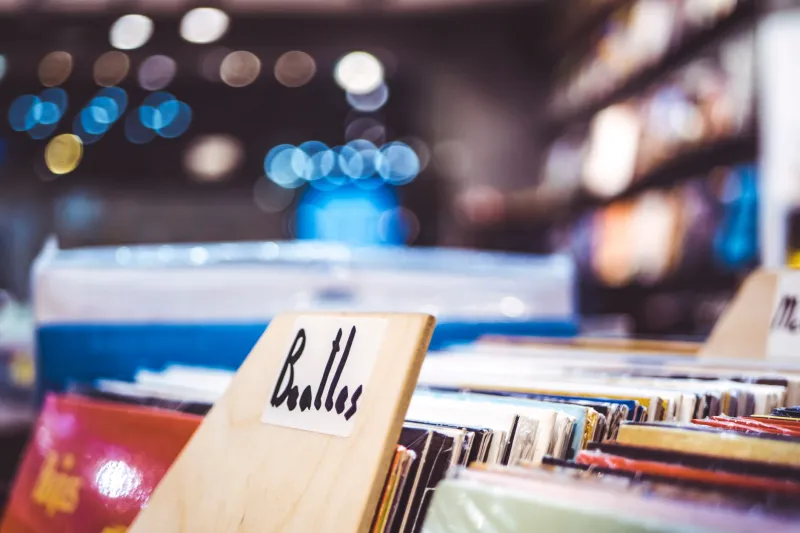
Somewhere in a Chicago apartment, a sealed copy of Namie Amuro's Sweet 19 Blues sits in a climate-controlled shelf between a first pressing of a classic American R&B album and a Japanese city pop record that cost more than a month's rent. The owner, a 29-year-old graphic designer who first discovered Amuro through a YouTube algorithm rabbit hole, paid just over $80 for it on a Japanese auction site. He considers it a bargain.
"There's something about holding it," he says. "Streaming is fine for discovery. But owning it feels different. It feels like it means something."
That sentiment — equal parts nostalgia, devotion, and deliberate resistance to disposability — is driving a genuine resurgence in the physical market for Namie Amuro's discography. And in 2024, the numbers are hard to ignore.
The Data Behind the Devotion
Vinyl has been on a comeback trajectory across the board for years now, but what's happening with Amuro's catalog has a specificity to it that stands apart from the general trend. Japanese auction platforms like Mercari and Yahoo! Auctions Japan have seen consistent price appreciation on her original pressings, with certain titles — particularly from her late '90s and early 2000s peak — commanding prices that would have seemed absurd a decade ago.
Limited edition releases and box sets from her final years have become particularly sought after. The Finally compilation, released in 2017 as part of her 25th anniversary celebration, remains one of the most traded physical releases in J-pop collector circles. Original copies in near-mint condition regularly sell for multiples of their original retail price.
On the Western side of the market, specialty import shops in cities like Los Angeles, New York, and Seattle have reported steady demand for Amuro titles, particularly from buyers in their mid-20s to mid-30s who came to her catalog through streaming and want something more permanent. "She's become a prestige name in the import section," one LA record shop employee noted in a fan community post that circulated widely earlier this year. "Right up there with the city pop stuff."
Scarcity as a Feature, Not a Bug
Part of what's fueling collector interest is something Amuro's team — whether intentionally or not — built into her legacy: scarcity. Her catalog is not fully available on all streaming platforms in all regions. Certain albums exist in incomplete or region-restricted form digitally. And since her retirement, there have been no new pressings, no anniversary reissues flooding the market, no licensing deals that cheapen the originals.
For collectors, that scarcity is catnip. It transforms ownership from a passive act into something that carries weight. When you own a physical copy of a record that isn't easily replaceable, you're not just a listener — you're a custodian. That's a meaningfully different relationship with music than a playlist.
This dynamic is something the broader music industry is starting to pay attention to. In a streaming economy where access is theoretically infinite, the things that can't be accessed on demand become disproportionately valuable. Amuro's catalog, through a combination of rights complexity and deliberate withdrawal from certain markets, has landed in that rare category almost by accident.
The Community Around the Collection
Collecting Amuro's physical releases isn't a solitary pursuit. There's a genuinely active community built around it — Discord servers, subreddits, dedicated Instagram accounts, and Facebook groups where collectors share finds, debate pressing quality, and help each other track down specific editions.
What's striking about these communities, particularly from an American perspective, is how international they are. Collectors from Brazil, Germany, the Philippines, Australia, and across the US are trading knowledge and occasionally records with each other. The shared language is the music itself, and the shared currency is the physical object.
"I've made actual friends through this," says one collector based in Atlanta who runs a small Instagram account dedicated to her Amuro hauls. "People I talk to every week who I'd never have met otherwise. It's a real community."
That community aspect is doing something important for Amuro's legacy that streaming metrics can't fully capture. Every collector is also an evangelist. When someone posts an unboxing of a rare Amuro single or shows off a newly acquired first pressing, they're introducing the music to people who might never have found it otherwise.
What This Says About Fandom in the Digital Age
The Namie Amuro physical revival is a microcosm of something bigger happening in music culture. As streaming has made everything available and nothing feel particularly precious, a growing segment of listeners — especially younger ones — are reaching for something more tangible. Vinyl sales in the US have outpaced CD sales for two consecutive years now. The desire for a physical relationship with music isn't nostalgia for an older generation. It's a genuine response to the weightlessness of digital consumption.
Amuro's catalog is particularly well-suited to this moment. Her albums were always conceived as complete artistic statements — cohesive from track listing to packaging — and that intentionality rewards the kind of deep listening that physical media encourages. You don't shuffle a Namie Amuro album. You sit with it.
For a generation of American listeners discovering her work now, the physical object is also a statement of taste. Owning her records signals something: that you dig deep, that you look beyond the algorithm, that you value the thing itself and not just the access to it.
The Reissue Question
The elephant in the room for collectors is whether an official reissue campaign is ever coming. Given the complexity of Amuro's rights situation and her own stated desire to step back from public life, a coordinated vinyl reissue program seems unlikely in the near term. Which, paradoxically, is exactly what keeps the collector market so active.
For now, the hunt continues. And for the fans doing the hunting, that's kind of the point.